Sleep & Stress Support
How to create a sleep-friendly bedroom: a practical checklist
Use this room-by-room checklist to reduce unwanted light, noise and heat, then decide whether any sleep products are actually worth buying.
Read with context
This guide is designed to help you ask better questions and make practical choices. It does not diagnose, treat, or promise a cure.
Start with the room, not a shopping list
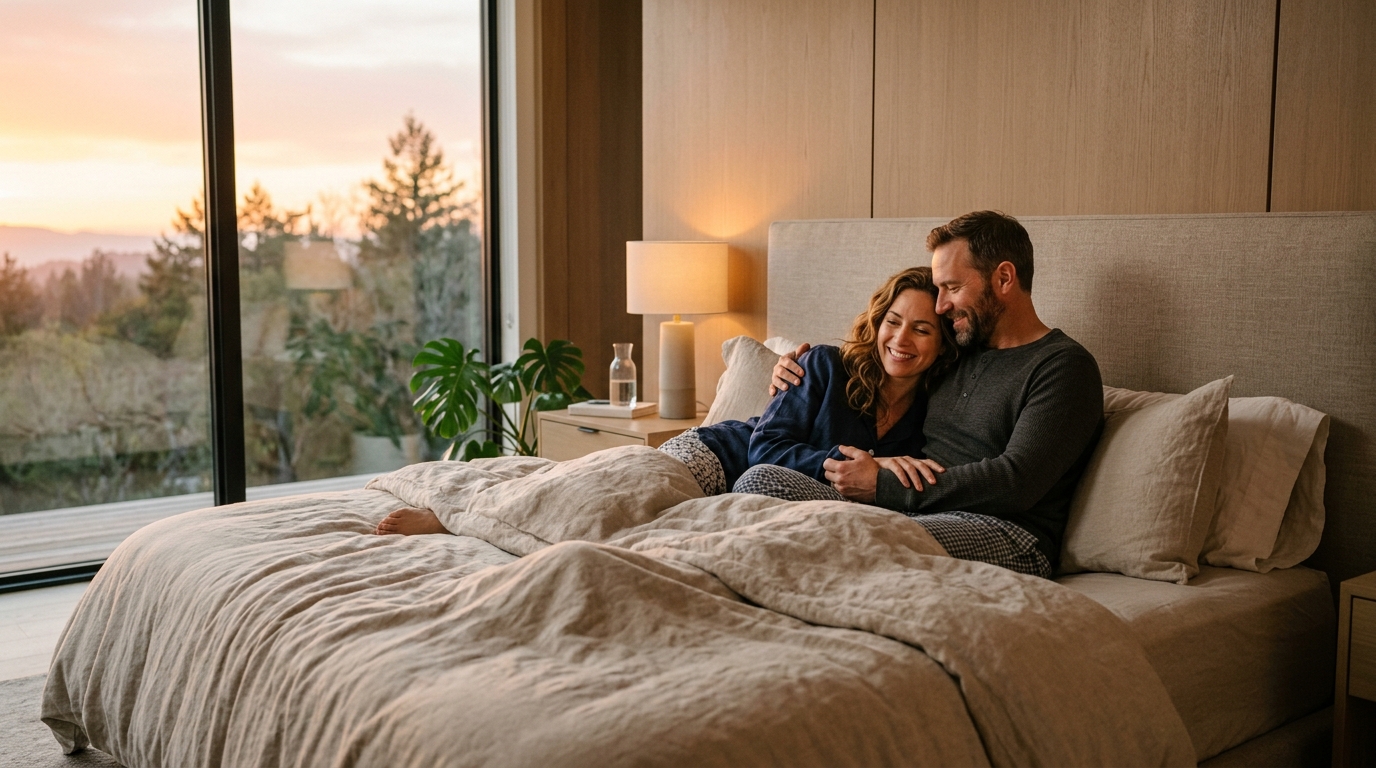
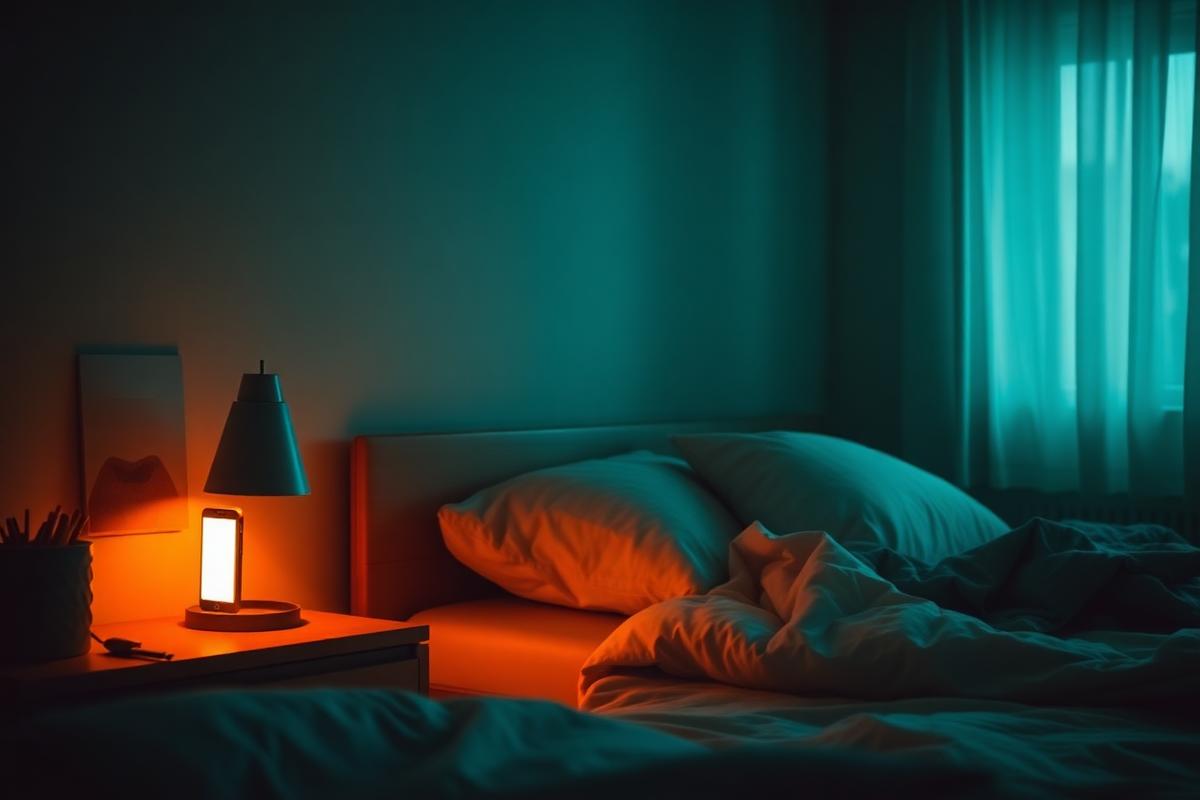
A sleep-friendly bedroom is dark enough, quiet enough and comfortable enough for the person using it. That does not require a perfectly styled room or a shelf of special products. Begin by noticing what repeatedly disturbs you: early daylight, street noise, an uncomfortable temperature, clutter around the bed or a glowing device.
Change one variable at a time for several nights. This makes it easier to tell whether a heavier curtain, a different alarm position or a quieter fan solved the actual problem. The US National Heart, Lung, and Blood Institute recommends keeping the bedroom quiet, cool and dark as part of healthy sleep habits.
How to reduce unwanted bedroom light
Check the room after dark and again around sunrise. Small sources such as charging indicators, hallway light and gaps around curtains can be more noticeable once your eyes adjust. Start with free fixes: turn a device around, close the door or move a charger out of direct view.
If daylight is the main issue, compare blackout curtains by width, drop, lining, hanging method and return policy. US shoppers usually see dimensions in inches, while UK listings commonly use centimetres and standard curtain drops. Renters may prefer removable liners or a comfortable sleep mask that can be washed easily.
Compare sound solutions by the disturbance
Soft furnishings can reduce echo inside a sparse room, but they will not block every external sound. For irregular noise, some people prefer a fan or a sound machine that creates a steady background. Compare timer controls, minimum volume, loop quality and whether the controls are easy to find in the dark.
Earplugs are inexpensive but must fit comfortably and be used according to their instructions. A smoke alarm, child, dependent adult or important alert still needs to be heard, so consider the whole household before masking sound.
Make temperature and bedding easier to adjust
Layering is more flexible than buying one supposedly perfect duvet or comforter. A lighter base layer plus a removable blanket can adapt to seasonal changes and different preferences between partners.
Check fibre content, care instructions, drying requirements and trial or return terms before buying bedding. Words such as cooling or temperature regulating are not measurements on their own; look for a clear explanation of the material and construction behind the claim.
A seven-day sleep environment checklist
Night one: note light, sound and temperature disturbances. Nights two and three: remove avoidable light. Nights four and five: test a simple sound change. Nights six and seven: adjust bedding or room temperature. Keep the change that improves comfort and skip purchases that do not solve a specific problem.
A bedroom product may improve comfort, but it is not a treatment for persistent sleep difficulty. If poor sleep continues, affects daily functioning or involves symptoms such as breathing interruptions, seek advice from a qualified healthcare professional.
Evidence and further reading
Sources
We prioritize official health bodies, regulators, and other primary sources when reviewing wellness guidance.
- 01National Heart, Lung, and Blood Institute — Healthy Sleep Habits (opens in a new tab)
Official US guidance on consistent routines and keeping a bedroom quiet, cool and dark.