Sleep & Stress Support
Blue light before bed and melatonin production
Learn how evening screen use affects melatonin production and practical ways to reduce blue light exposure before bed.
Read with context
This guide is designed to help you ask better questions and make practical choices. It does not diagnose, treat, or promise a cure.
How blue light suppresses melatonin
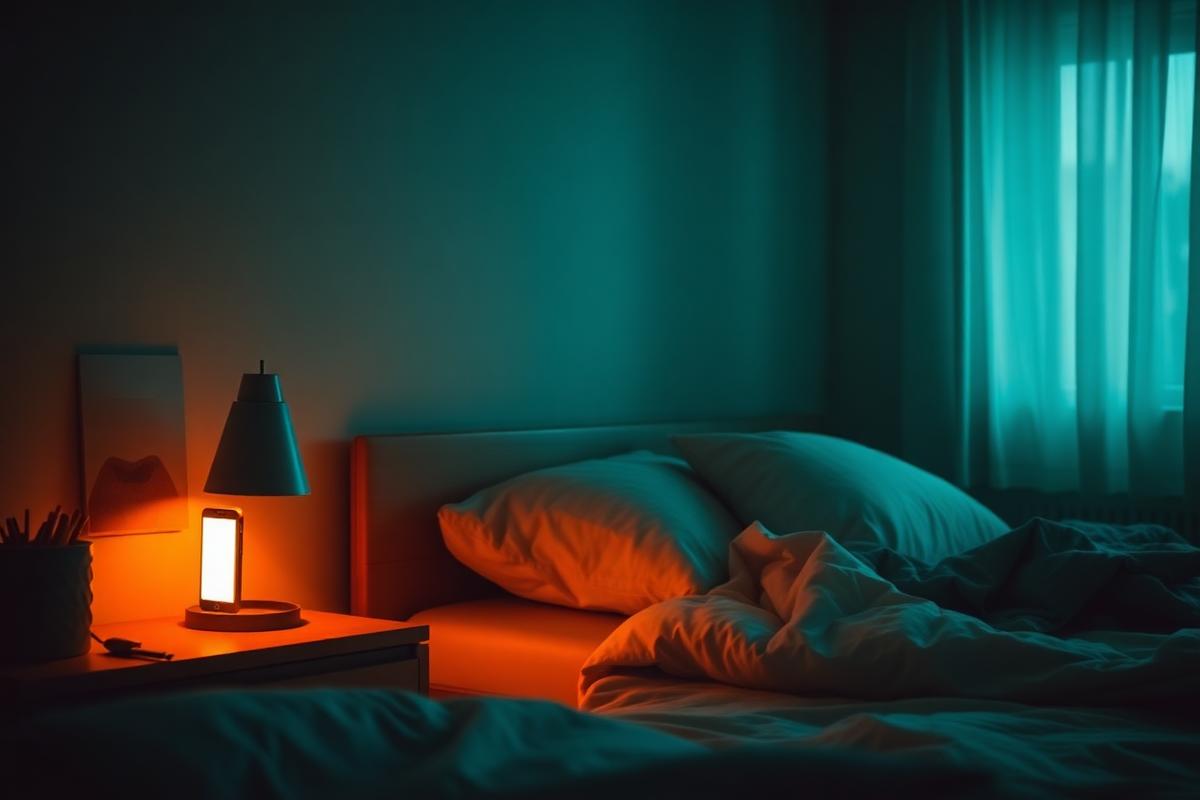
Blue light signals to your brain that it is daytime, suppressing melatonin production. Screens emit significant blue light, especially when brightness is high. Evening screen use within 1-2 hours of bedtime can delay melatonin release and sleep onset.
The National Institutes of Health notes that this effect is strongest in the hour or two before sleep. Individual sensitivity varies based on age, existing sleep habits and genetic factors.
Practical strategies to reduce evening blue light
Set screen-free time starting 30-60 minutes before bed. Use blue light filter settings on devices if you must use screens closer to bedtime, though avoiding them entirely is more effective.
Dim overhead lights in the evening and use warmer-toned lighting instead. Even dim room lighting can suppress melatonin, so dimming gradually as bedtime approaches helps.
Screen-free evening activities
Replace evening screen time with reading, journaling, conversation or relaxation exercises. These activities avoid blue light while providing mental engagement or calming.
If screens are unavoidable for work or other reasons, blue light glasses offer modest protection, though behavior change (reducing use, increasing distance, dimming brightness) remains the most effective strategy.
Evidence and further reading
Sources
We prioritize official health bodies, regulators, and other primary sources when reviewing wellness guidance.
- 01National Institutes of Health — Light and Sleep (opens in a new tab)
Research on how light exposure affects circadian rhythms and melatonin.