
Men's Wellness
Nutrition and wellness for men
Use practical nutrition strategies to support energy, fitness and disease prevention.
Read with context
This guide is designed to help you ask better questions and make practical choices. It does not diagnose, treat, or promise a cure.
The importance of adequate protein
Protein supports muscle maintenance and repair, especially important if you exercise. Men often need 1.6-2.2 grams per kilogram of body weight daily if training.
Good sources: lean meat, fish, eggs, beans, nuts, yogurt. Spread protein throughout the day rather than concentrating it in one meal.
Nutrition supporting heart health
Men have higher cardiovascular disease risk than women. Limit saturated fat, increase fiber, include omega-3 fatty acids (fish, flax, walnuts) and include plenty of vegetables.
Excessive sodium increases blood pressure. Alcohol and added sugar increase calories and can contribute to weight gain.
Practical nutrition strategies
Prepare meals at home more often than eating out. Restaurant and processed food contain more sodium and less nutritional density than home-prepared meals.
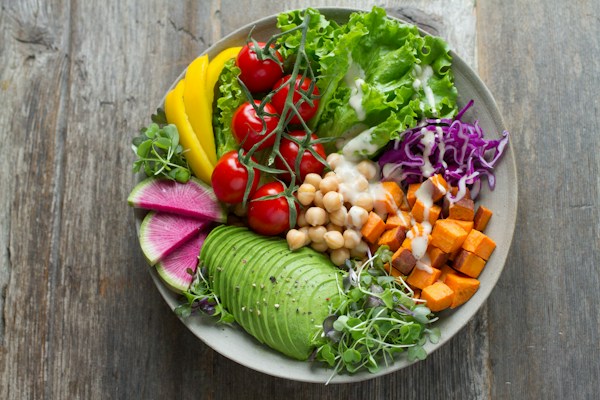
You do not need special supplements or expensive foods. Whole foods—vegetables, fruit, protein, whole grains—provide everything you need for health.
Evidence and further reading
Sources
We prioritize official health bodies, regulators, and other primary sources when reviewing wellness guidance.
- 01American Heart Association — Men's Heart Health (opens in a new tab)
Nutrition guidance supporting cardiovascular health in men.
