Movement & Recovery
Recovery after physical activity
Understand active recovery strategies that support your body's adaptation after physical activity.
Read with context
This guide is designed to help you ask better questions and make practical choices. It does not diagnose, treat, or promise a cure.
What active recovery actually is
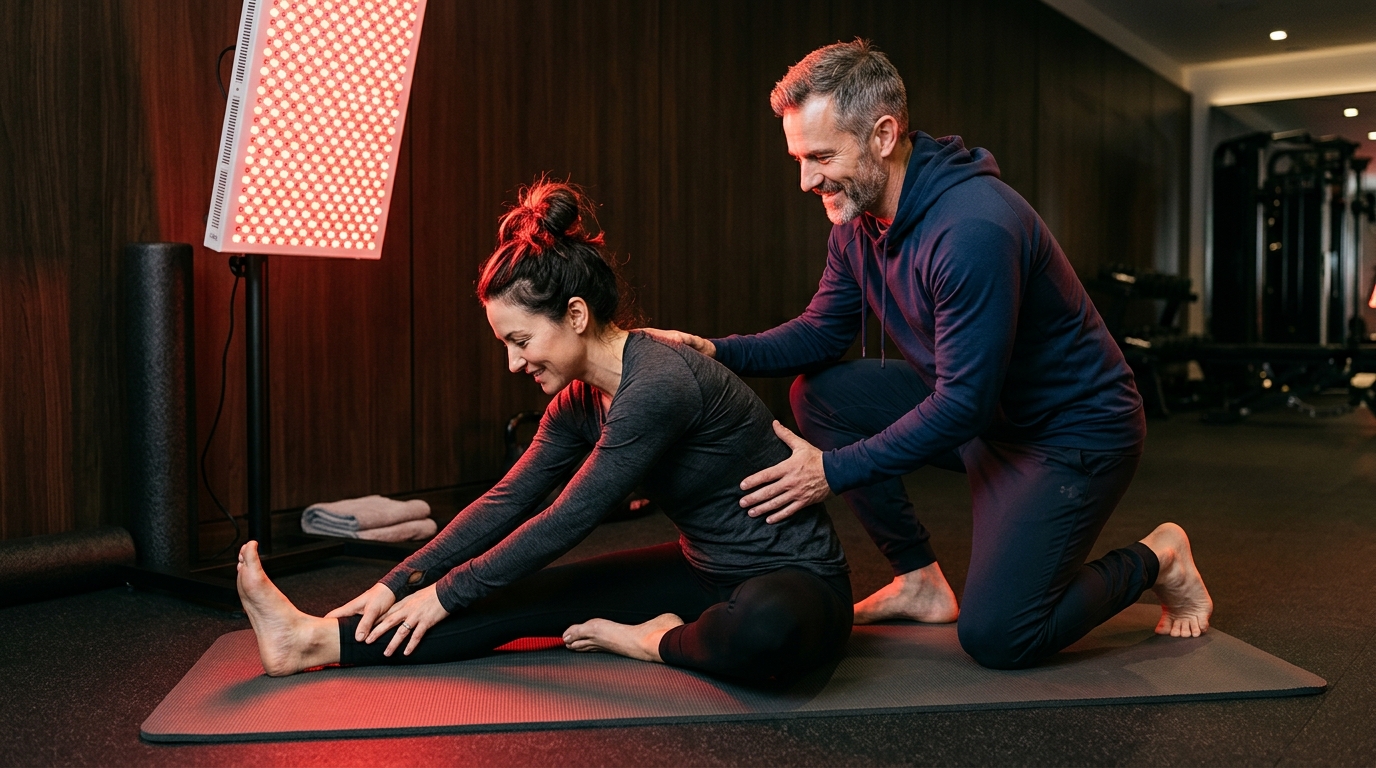
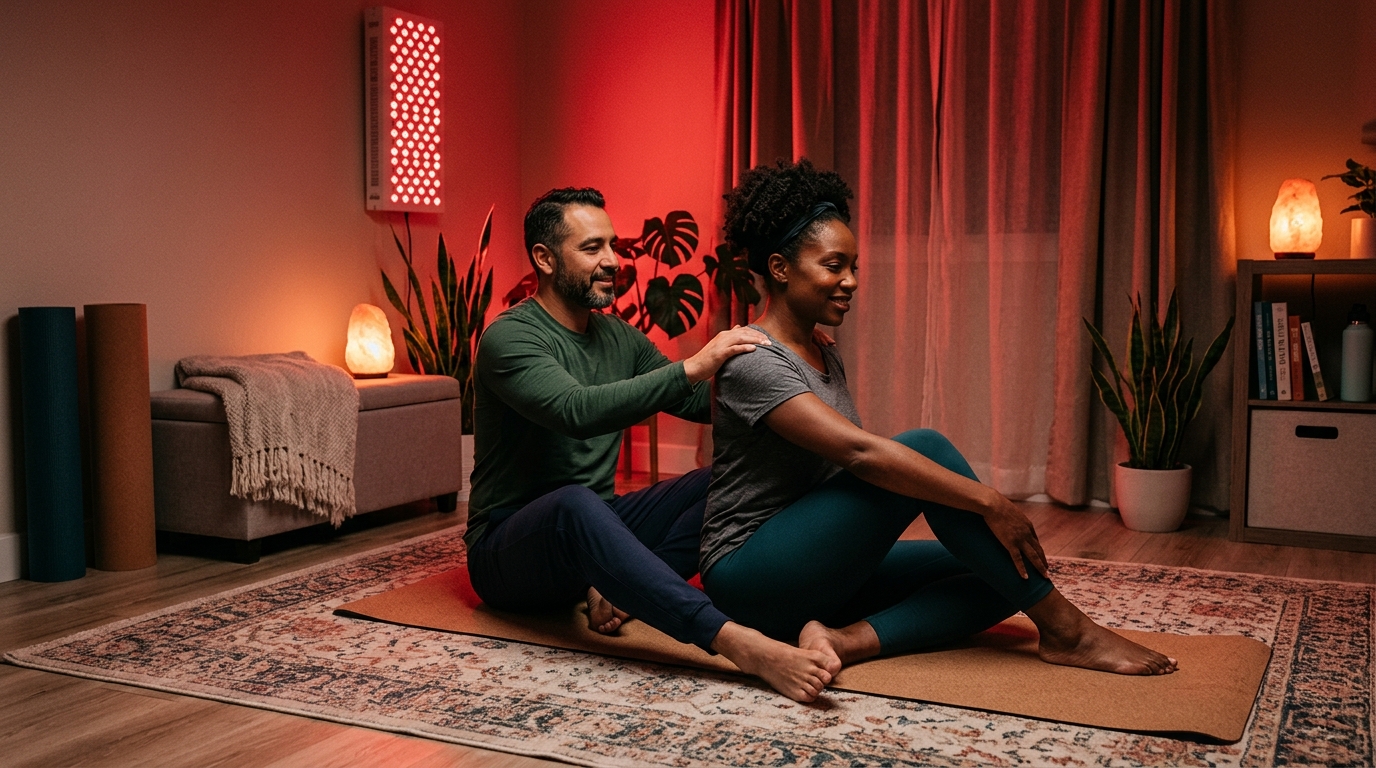
Active recovery involves light movement on non-training days to promote blood flow and reduce soreness while your muscles adapt and repair. This is distinct from rest days (doing nothing) and distinct from training days.
Gentle activity like walking, easy swimming or light yoga supports recovery without adding training stress. This approach helps manage muscle soreness (DOMS) more effectively than passive rest alone.
Evidence-based recovery strategies
Light movement, proper hydration, adequate protein intake and quality sleep all support recovery. Cold water immersion and heat therapy offer modest additional benefits for some people but are optional.
Stretching and foam rolling can reduce soreness if done gently. Aggressive foam rolling immediately after intense training can increase soreness rather than reduce it.
Planning your recovery schedule
Vary your training intensity across days. Alternate harder workouts with easier movement or rest. This pattern allows adaptation while maintaining consistency.
Listen to your body's signals. Persistent fatigue, illness symptoms or unusual soreness suggest you need more recovery. Pushing through these signals increases injury risk.
Evidence and further reading
Sources
We prioritize official health bodies, regulators, and other primary sources when reviewing wellness guidance.
- 01Journal of Athletic Training — Recovery Methods
Research on evidence-based recovery strategies for athletes.